Solar Panel Costs and Energy Savings
One of the most common questions people ask when considering solar panels is how much the system will cost and how much it may reduce electricity bills.
This page focuses on solar photovoltaic (solar PV) systems, which generate electricity from sunlight. Solar PV systems are different from solar thermal systems, which are designed to heat water rather than generate electricity.
The exact cost and savings from a solar PV installation depend on the system size, the property’s electricity usage, and whether battery storage is included. Because every property is different, solar systems are usually designed around the building and energy requirements rather than using a standard installation approach.
Contact us today for a free, no-obligation consultation and quote!


Fully Certified Renewable Installer
Providing confidence in home-grown energy
How Much Do Solar Panels Cost?
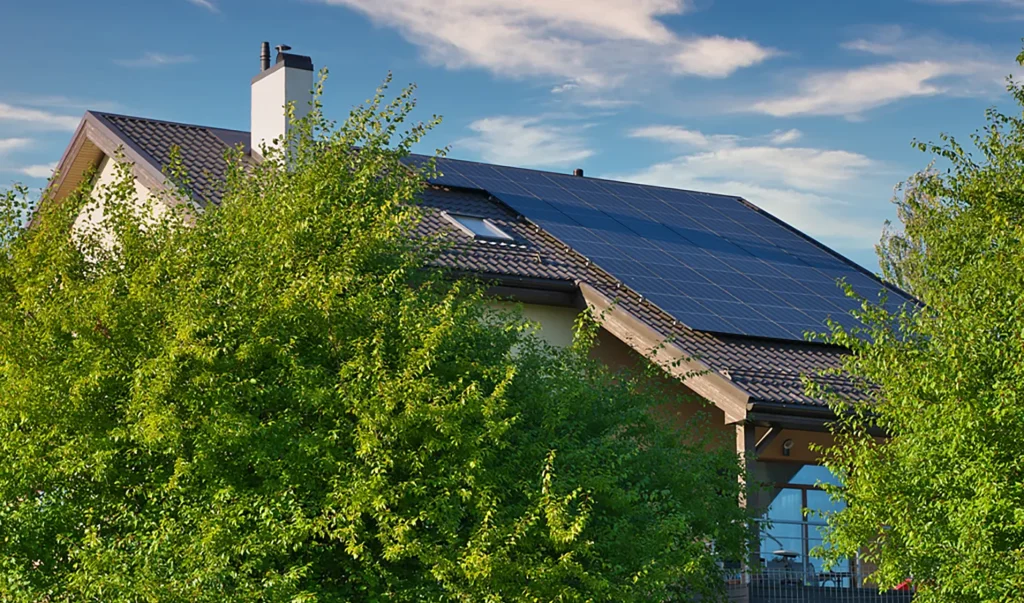
Every solar PV system is designed around the individual property, so costs can vary depending on factors such as roof size, system design, and whether battery storage is included.
For this reason, we don’t provide fixed prices online.
Instead, the process begins with an initial conversation to understand your property and energy usage. From there, Greenfields can provide an estimate that includes expected system performance and a clear payback calculation, tailored to your situation.
For commercial properties, all systems are designed on a bespoke basis, tailored to the building, available space, and energy requirements.
How Much Electricity Can Solar Panels Generate?
A typical domestic solar PV system may generate 3,600-6,000 kWh of electricity per year, depending on system size, roof orientation, and location. This electricity can be used on the property, reducing the energy you need to import from the grid.
How Much Can Solar Panels Save on Energy Bills?
The level of savings depends on how much of the generated electricity is used within the property.
In general:
- The more energy you use during the day, the greater the savings
- Systems designed around your usage tend to perform better
- Combining solar with battery storage can significantly increase savings
Because every property is different, Greenfields provides individual savings estimates and payback calculations as part of the initial quote, rather than relying on generic figures.
Understanding Payback Period
One of the most useful ways to assess a solar PV system is through its payback period, which shows how long it takes for the system to repay its cost through energy savings.
In many domestic installations, particularly where battery storage is included, systems can achieve relatively short payback periods, often in the region of 4 to 6 years, depending on usage and system design.
However, this can vary based on:
- How much electricity you use
- Whether you have a heat pump or electric vehicle
- Your energy tariff and supplier
- How the system is configured
Exporting Electricity to the Grid
If your system generates more electricity than you use, the excess can be exported to the National Grid. Through the Smart Export Guarantee, energy suppliers may pay for this exported electricity. However, export rates are typically lower than the cost of buying electricity from the grid.
Why Many Customers Choose Battery Storage
In most cases, it is more cost-effective to use your own electricity rather than export it.
A battery allows you to:
- Store excess solar energy generated during the day
- Use that energy later in the evening
- Reduce the amount of electricity you need to buy from the grid
Battery systems can also be used with time-of-use tariffs, allowing you to:
- Charge the battery during cheaper off-peak periods
- Use that stored energy when electricity prices are higher
This can further improve the system’s overall value and shorten the payback period.
How Long Do Solar Panels Last?
Solar PV systems are designed to operate for many years with minimal maintenance. Most systems continue generating electricity for decades, supported by long manufacturer warranties and proven long-term performance.
Solar Systems Designed for Your Property
The most effective solar installations are designed specifically for the property and its energy use.
We take the time to understand:
- Your roof and available space
- Your electricity usage patterns
- Whether you have or plan to install technologies such as heat pumps or EV chargers
This allows the system to be designed for maximum efficiency and long-term value, with clear expectations set from the outset.
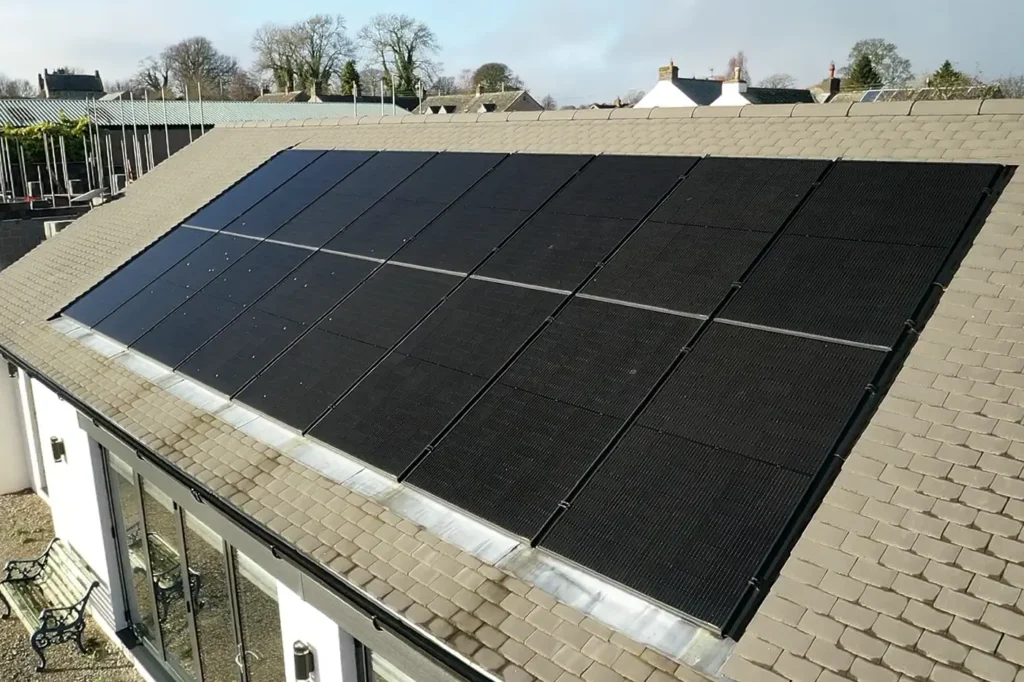
You can explore our solar installation case studies to see examples of systems installed on a range of properties.
Frequently Asked Questions
Solar panels can make a property more attractive to buyers who value lower energy costs and renewable energy.
While the exact impact varies, homes with solar PV systems may appeal to buyers looking for improved energy efficiency and long-term electricity savings.
Most domestic solar PV systems in the UK range from 3kW to 5kW and typically require 8 to 14 solar panels, depending on panel wattage. The final system size depends on roof space, orientation, and the property’s electricity usage.
Solar PV systems usually require very little maintenance because they have no moving parts. Occasional visual checks are typically sufficient, and rainfall often helps keep panels clean in most parts of the UK.
Learn More About Solar Panels
IIf you are researching solar energy, you may also find these guides helpful:
These resources explain the installation process and showcase real solar installations.
What our clients say
Our reputation is built on word-of-mouth recommendations from satisfied customers. See why Greenfields is trusted for high-quality installations and exceptional service.
Contact us
Contact us today for a free consultation and quote, and let our experts design a system that meets your needs.