Heat Pump FAQs
If you are researching heat pumps, you will probably have questions about cost, installation, running costs, and whether a system is suitable for your property.
Below are some of the most common questions our customers ask when considering a heat pump installation.
Contact us today for a free, no-obligation consultation and quote!

What is a Heat Pump?
A heat pump is a heating system that transfers heat from the surrounding environment into a building to provide heating and hot water. Depending on the system type, this heat can come from the outside air, the ground beneath the property, or nearby water sources.
You can learn more on our heat pump installation page.
Is a Heat Pump Suitable for My Property?
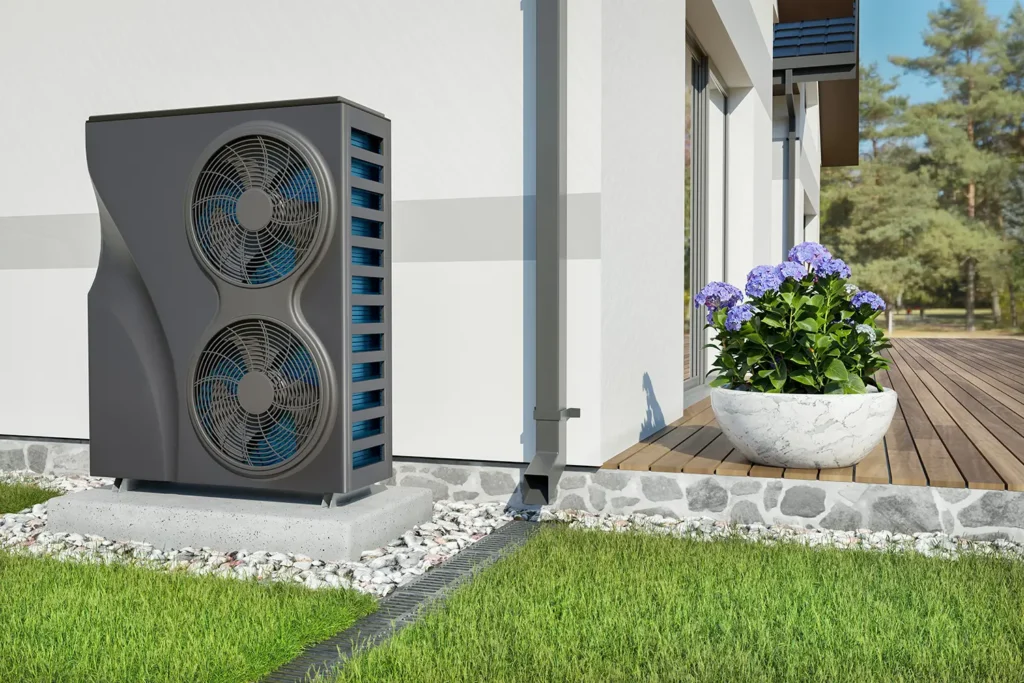
Many people researching heat pumps first want to know whether the system will work in their home. Suitability depends on several factors, including insulation levels, heating system design, and available outdoor space.
Heat pumps can work well in many different types of property, but suitability depends on factors such as insulation levels, the existing heating system, available outdoor space, and the building’s heat demand. You can read more in our guide to Is a Heat Pump Right for Your Property?
Yes, many older homes can successfully use heat pumps. Older properties often have varying insulation levels and heating systems, so the system needs to be carefully designed. In some cases, upgrades such as improved insulation or radiator changes may be recommended.
Yes. Heat pumps can work with radiators, although they often perform best with larger radiators or low-temperature heating systems such as underfloor heating. During a survey, the existing radiators can be assessed to determine whether any upgrades are needed.
Air-source heat pumps extract heat from the outside air, while ground-source heat pumps extract heat from the ground using buried pipes or boreholes. The most suitable system depends on the property, available space, and heating requirements.
Yes. Heat pumps are often installed in rural homes, particularly where properties currently use oil- or LPG-heating systems. These properties often have the outdoor space required for heat pump equipment.
Yes. Most heat pump systems provide both space heating and domestic hot water. This is typically done using a hot water cylinder that stores heated water for use throughout the property.
Common Concerns About Heat Pumps
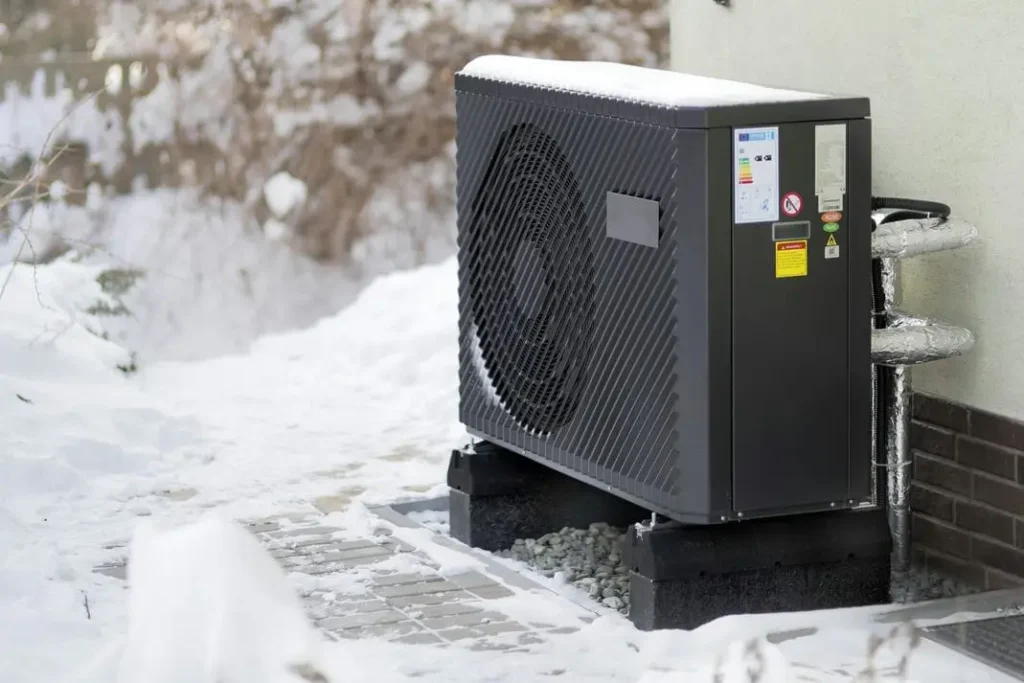
Many homeowners have concerns when researching heat pumps, particularly around performance, reliability, and noise. These are some of the most common questions we are asked.
Yes. Modern heat pumps are designed to operate in cold weather and can continue extracting heat from the air or ground even when outdoor temperatures are low. You can read more in our guide to Does a Heat Pump Work in Winter?
Modern heat pumps are generally much quieter than many people expect. Outdoor units do produce sound, but properly installed systems operate within acceptable noise levels for residential areas. The position of the outdoor unit is considered during system design.
In most domestic properties, a properly designed heat pump system can provide all the heating and hot water required. Backup systems are more common in larger commercial buildings where additional redundancy may be needed.
Yes. Heat pumps are widely used across Europe and have been installed in millions of homes and commercial buildings. Reliability depends on proper system design, professional installation, and regular servicing.
Heat pumps rely on electricity to operate, so they will stop working during a power outage. This is similar to most modern heating systems that rely on electrical controls and circulation pumps.
When properly designed, a heat pump can provide enough heat for the property. During the survey stage, heat-loss calculations are performed to ensure the system is correctly sized.
Costs and Grants
Cost is one of the most important factors when deciding whether to install a heat pump. Installation costs, running costs, and available grants can all influence the decision.
The cost of a heat pump installation depends on factors such as property size, system type, and whether upgrades to the heating system are required. You can read more in our guide to Heat Pump Costs and Energy Savings.
Some homeowners may qualify for support through schemes such as the Boiler Upgrade Scheme. Because grants and eligibility rules can change, it is important to review the latest information when planning an installation. You can learn more in Heat Pump Grants and Funding Options.
This depends on several factors, including whether the heating system is being replaced, the property’s insulation level, and the system’s design. Heat pumps can improve efficiency in many homes, particularly when replacing oil- or LPG-heating systems.
The payback period varies depending on installation cost, energy use, electricity prices, and any grants received. Long-term savings often come from improved efficiency and reduced reliance on delivered fuels.
Running costs depend on electricity prices, the system’s efficiency, and the building’s heat retention. A well-designed system in a well-insulated property can operate very efficiently.
Heat Pump Installation
Heat pump installations are different from traditional boiler replacements. These questions explain what the process usually involves.
The process usually begins with an initial discussion about the property. If the project is suitable, a survey is conducted to properly design the system. You can read the full process in What to Expect During a Heat Pump Installation.
Installation time depends on the system type and the property’s complexity. Air source heat pump installations are often completed within a few days. Ground-source systems may take longer due to ground-loop installation.
For air source heat pumps, there is usually very little ground disruption. Ground source systems may require trenches or boreholes, depending on the installation method.
Some installations fall under permitted development, although this depends on the property and the system being installed. Planning requirements can normally be discussed during the early stages of the project.
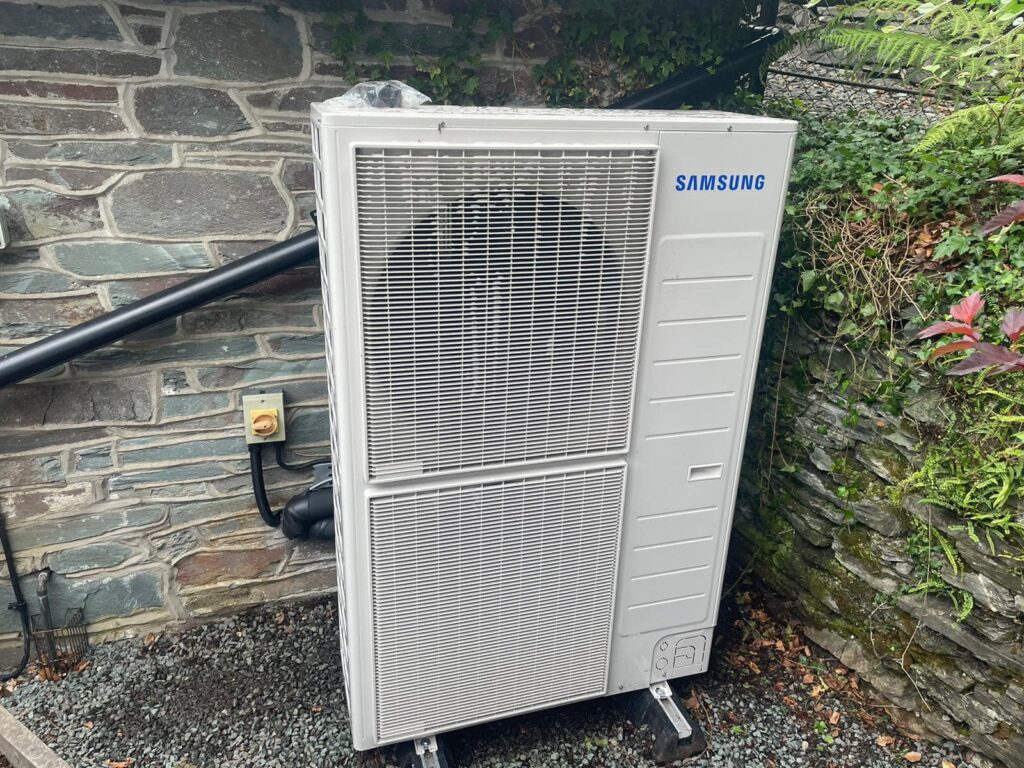
Air source heat pumps are typically installed outside the property, usually beside the building or in the garden. Ground-source systems use underground pipework connected to a heat pump unit inside the building.
Benefits of Heat Pumps
Many homeowners choose heat pumps when upgrading their heating system or moving to a renewable energy solution.
Many people install heat pumps when replacing older heating systems or when moving away from oil or LPG heating. Heat pumps can provide efficient heating and hot water while reducing reliance on fossil fuels.
Heat pumps use renewable heat sources such as air, ground, or water, which can help reduce carbon emissions compared with many traditional heating systems.
Yes. Many properties combine heat pumps with solar PV systems or battery storage. Solar panels can generate electricity to power the heat pump.
Some heat pump systems can provide both cooling and heating, though this depends on the system type and the building’s heating setup.
Working With Greenfields
If you are considering a heat pump installation, the process usually begins with understanding the property and recommending the most suitable system.
The process normally begins with an initial discussion about the property and the existing heating system. If the project progresses, a survey allows heat-loss calculations to be carried out, enabling the system to be designed properly. Read more about deciding if a heat pump is right for your property.
We usually begin by discussing the property and the current heating system. Based on this information, we can often give a rough indication of possible options and costs before arranging a survey.
Typical information includes the property size, insulation levels, existing heating system, radiator layout, and available outdoor space. This helps ensure the final system is designed correctly for the building.
Yes. You can explore our heat pump installation case studies to see examples of systems installed in various property types. These projects demonstrate how heating systems are designed to meet each building’s needs.
Learn More About Heat Pump Installations
If you are researching heat pumps, you may also find these guides helpful:
- Heat Pump Costs and Energy Savings
- Heat Pump Grants and Funding Options
- Does a Heat Pump Work in Winter?
- Heat Pump Installation Case Studies
These resources explain the costs, funding options, and real-world examples of heat pump systems installed in various property types.
What our clients say
Our reputation is built on word-of-mouth recommendations from satisfied customers. See why Greenfields is trusted for high-quality installations and exceptional service.
Contact us
Upgrade to a modern, energy-efficient central heating system with Greenfields Heat & Power.
Contact us today to schedule your free consultation and quote, and let our experts design a system that meets your heating needs while maximising energy efficiency.