
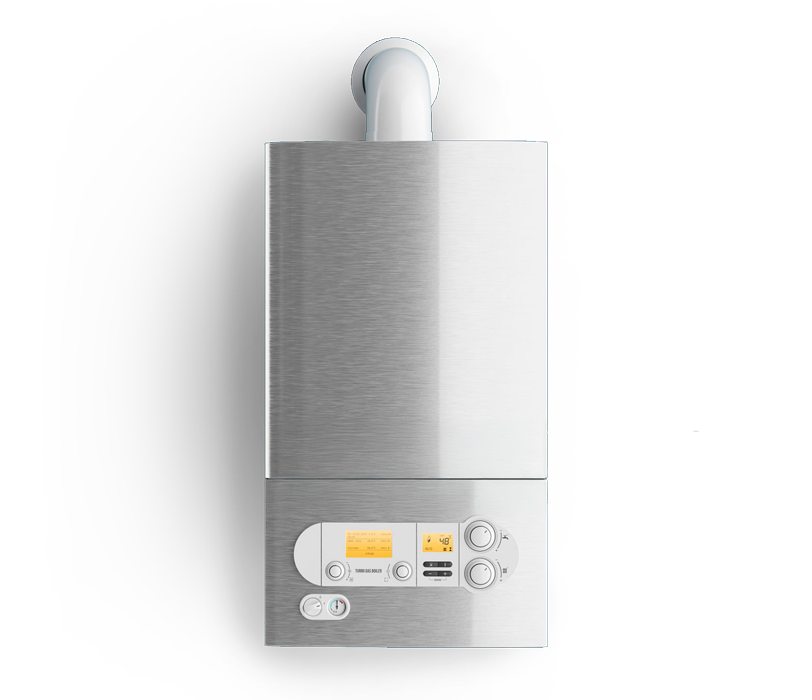
Many homeowners continue repairing their boiler for years without considering whether replacement might be the better option.
While regular servicing can extend a heating system’s life, most boilers will eventually become less reliable and less efficient. Recognising when it may be time to replace a boiler can help avoid unexpected breakdowns and reduce long-term heating costs.
How Long Do Boilers Typically Last?
Most gas and oil boilers are designed to last around 10–15 years when properly maintained.
As boilers age, components wear out, and efficiency gradually declines. This means the system may use more fuel to produce the same amount of heat.
If a boiler is approaching this age range, it may be worth considering whether replacement would be more cost-effective than continued repairs.
Signs It May Be Time to Replace Your Boiler
A boiler does not always fail suddenly. In many cases, there are signs that the system is becoming less reliable.
Some common indicators include:
- frequent breakdowns or repair visits
- rising heating bills without increased usage
- difficulty maintaining consistent heating
- unusual noises or performance issues
- difficulty sourcing replacement parts for older systems
When these issues begin to occur regularly, replacing the boiler may be more practical than continuing to repair it.
Repair vs Replacement
Minor faults can often be repaired, particularly on newer systems. However, if a boiler is older and requires repeated repairs, replacement can sometimes provide better long-term value.
Modern boilers are typically more efficient than older models and can improve the performance of the heating system.
At this stage, many homeowners also begin to consider whether to install another boiler or switch to a different type of heating system.
Considering Alternatives to a Boiler
When replacing a heating system, some homeowners are now exploring alternatives, such as heat pumps.
Heat pumps use electricity to move heat from the air, ground, or water rather than burning fuel. They can provide both heating and hot water and are becoming increasingly common in many homes.
Government support schemes, such as the Boiler Upgrade Scheme, may also be available for heat pump installations, helping reduce the upfront cost of switching to a low-carbon heating system.
Choosing the Right Heating System
Every property is different, so the most suitable heating solution depends on factors such as the building’s size, insulation levels, and the existing heating system.
In some cases, replacing an older boiler with a modern system may be the most practical option. In others, a heat pump may provide a more efficient long-term solution.
Discussing the property and heating requirements first allows the most appropriate system to be recommended.
Learn More About Heating Systems
If you are researching heating upgrades, you may also find these guides helpful:
- Heat Pump vs Gas or Oil Boiler
- Is a Heat Pump Right for Your Property?
- A Guide to Heat Pump Grants and Funding Options
These resources explain how different heating systems work and what to consider when upgrading a property’s heating.