Heat Pump Costs & Energy Savings
One of the most common questions our customers ask when considering a heat pump is how much the system will cost and whether it will reduce their energy bills.
The answer depends on several factors, including the property’s size, the type of heat pump installed, and the heating system’s design. Because every building is different, heat pump systems are typically designed specifically for each property.
This guide explains the factors that influence installation costs and how heat pumps can affect long-term energy use.
Contact us today for a free, no-obligation consultation and quote!

What Influences the Cost of a Heat Pump Installation?
Heat pump installations vary widely depending on the property and system requirements. During the early stages of the process, we discuss the property and provide an indication of system size and potential costs before carrying out a detailed survey.
Some of the main factors that influence installation costs include:
Property Size and Heating Demand
Larger buildings require larger heat pumps and higher system capacity. The building’s heating demand is one of the biggest factors in determining the size and cost of the system.
Type of Heat Pump
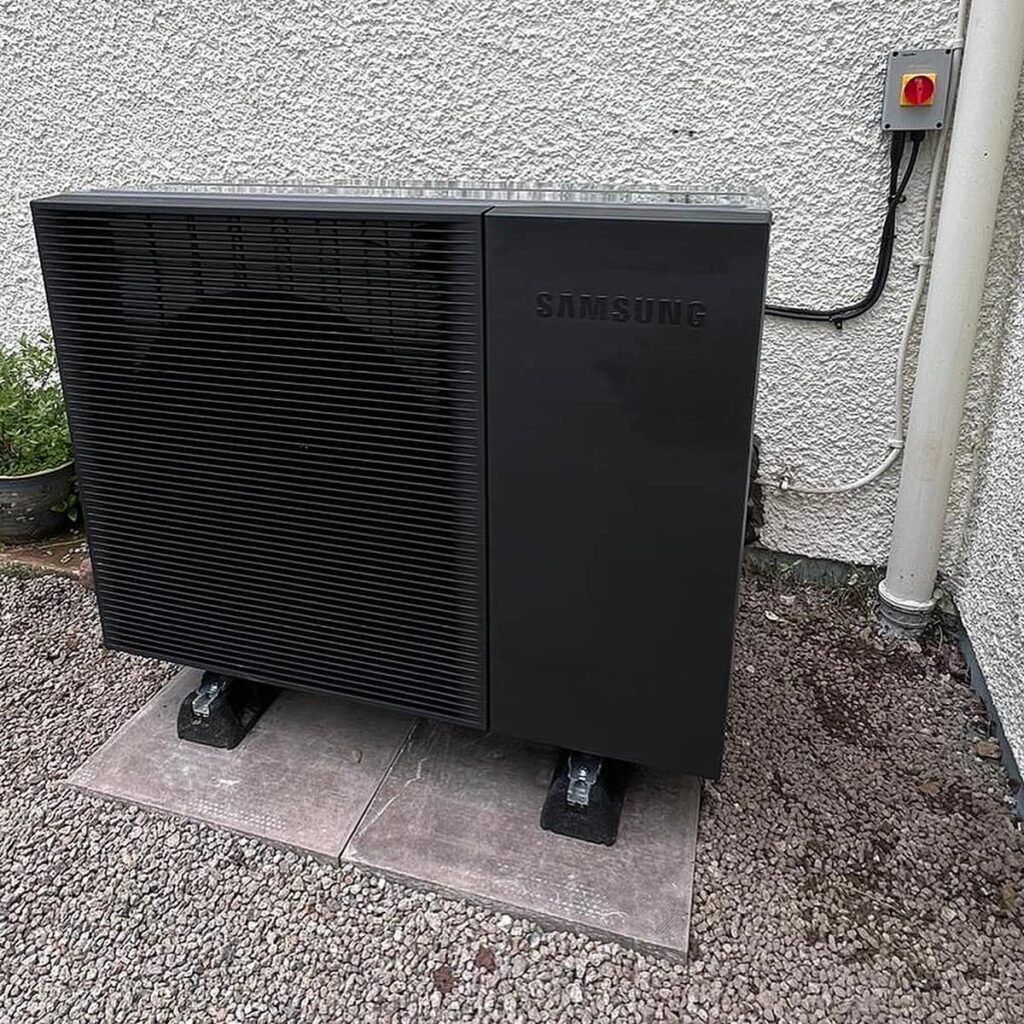
Different heat pump technologies have different installation requirements.
For example:
- Air source heat pumps are usually the most straightforward to install
- Ground source heat pumps require ground loops or boreholes
- Water source heat pumps may be used where suitable water sources are available
Each option has different installation considerations depending on the property.
Heating System Upgrades
Heat pumps operate most efficiently with low-temperature heating systems. In some properties, this may involve upgrading radiators, installing underfloor heating, or improving insulation to reduce heat loss.
These upgrades can affect the overall installation cost but often improve the system’s performance and efficiency.
Installation Complexity
Factors such as access to the property, available outdoor space, and the layout of the existing heating system can also affect installation costs.
Because of these variables, a survey is normally required to determine the most appropriate system design.
The Greenfields Approach to Cost Estimates
Before carrying out a full property survey, we usually begin with an initial discussion about the property and the existing heating system.
Based on this information, we provide an estimate of potential system costs to help customers decide whether to proceed with a full survey and system design.
If the project progresses to the survey stage, we gather detailed information, including heat-loss calculations and system layouts. This allows us to produce a formal quotation and system recommendation tailored to the property.
This step-by-step approach helps ensure that the final system is properly sized and designed.
Do Heat Pumps Reduce Energy Bills?
Heat pumps are designed to operate efficiently by transferring heat rather than generating it directly.
When properly designed and installed, they can produce multiple units of heat for each unit of electricity used, reducing the energy required to heat a building.
The impact on running costs depends on several factors, including:
- The efficiency of the heat pump system
- The insulation level of the building
- Electricity prices
- The system being replaced (for example, oil, LPG, or gas)
In many cases, heat pumps are installed when replacing oil- or LPG-heating systems, providing more consistent heating and improved energy efficiency.
Combining Heat Pumps with Solar Energy
Some properties combine heat pumps with solar PV systems or battery storage.
Solar panels can generate electricity during the day, helping power the heat pump and reducing grid imports.
This type of integrated renewable energy system can improve the property’s overall energy efficiency.
Are There Grants Available?
Many heat pump installations qualify for government support schemes designed to encourage low-carbon heating technologies.
Eligibility and available funding can change over time, so it is important to review the latest information before planning an installation.
We explain the current schemes and funding options in more detail in our guide to heat pump grants and funding options.
A System Designed for the Property
Because heat pump installations vary by building, costs are typically determined after a survey and system design.
By assessing the property and heating requirements first, it is possible to recommend a system that delivers reliable heating while operating efficiently.
You can also explore heat pump installation case studies to see how different systems have been designed for a range of property types.
Learn More About Heat Pump Installations
If you are researching heat pumps, you may also find these guides helpful:
- What to Expect During a Heat Pump Installation
- Does a Heat Pump Work in Winter?
- Heat Pump Grants and Funding Options
- Heat Pump Installation Case Studies
These resources explain the installation process and show examples of heat pump systems installed in various property types.
What our clients say
Our reputation is built on word-of-mouth recommendations from satisfied customers. See why Greenfields is trusted for high-quality installations and exceptional service.
Contact us
Upgrade to a modern, energy-efficient central heating system with Greenfields Heat & Power.
Contact us today to schedule your free consultation and quote, and let our experts design a system that meets your heating needs while maximising energy efficiency.